
FAQs
Roof Insurance Claim Questions Cairns Homeowners Ask
The Roof Repair Cairns Team · Published 2026-03-17 · Updated 2026-11-06
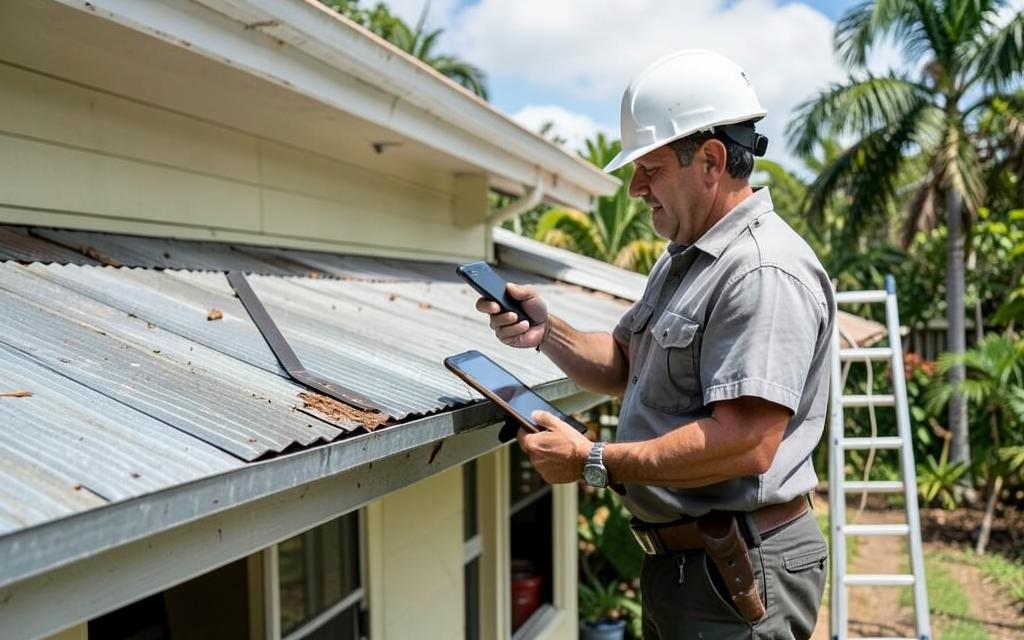
After a storm, the roofing questions and the insurance questions arrive together. Here are the ones we are asked most often, answered plainly — with a clear line around what a roofing contractor can and cannot do for a claim.
Is storm damage covered?
Sudden storm and cyclone damage is usually covered by home insurance. Damage that results from gradual deterioration, corrosion or deferred maintenance usually is not. That distinction is where most disputes live, which is why documentation matters so much.
Why does documentation matter so much?
An assessor has to decide whether damage is attributable to an event. Dated photographs taken soon after, damage described location by location, and an itemised repair scope with fixed pricing make that determination straightforward. Vague descriptions invite scrutiny.
Should I get emergency tarping before the assessor comes?
Generally yes. Insurers usually regard prompt weatherproofing as reasonable mitigation of further loss, and two extra days of water entry can cost more than the roof repair. Photograph the damage before covering it, and keep the weatherproofing documented separately.
What can a roofer do for my claim?
- Inspect and photograph the damage and document it in writing.
- Provide an itemised fixed-price repair quote in the format insurers generally request.
- Carry out emergency weatherproofing and document it as event mitigation.
- Explain the technical cause of the damage in plain language.
What can a roofer not do?
We do not lodge claims, negotiate with insurers or assessors, or advise on policy wording, entitlements or what your insurer should pay. Those matters sit between you and your insurer, and anyone promising to guarantee a claim outcome should be treated with caution.
If you need documentation, we can inspect, photograph and report — and you are free to use it however you choose, with no obligation to have us do the work.
What should I do in the first 24 hours?
Safety comes first. Stay off the roof, keep away from fallen lines and turn off power to wet areas if it is safe to do so. Once you can, take photos and video of the damage from the ground and inside the house, including ceilings, floors and damaged belongings. Note the date and time of the storm. Then contact your insurer, even if you do not yet know the full extent of the damage.
Keep receipts for anything you pay for, such as tarping or emergency make-safe work, and keep damaged items until your insurer says you can discard them. Check your policy or ask your insurer before major repairs start, as some insurers want to inspect first.
What is the difference between storm damage and wear and tear?
This question sits behind many disputes. Insurers generally look for a sudden event that caused the damage. Rust that has built up over years, perished seals and gutters that were already blocked usually count as maintenance. Yet both can appear on the same roof, so a good report separates them instead of bundling everything together.
- Sudden event: a sheet lifted by wind, a branch impact or ridge capping torn away.
- Gradual wear: rust-through at laps, perished washers or old cracked pointing.
- Mixed cases: a corroded fixing that finally lets go in a storm.
For mixed cases, photographs of the fixing, the sheet and the surrounding roof help the assessor understand what happened. Honest documentation is more useful than a report that tries to argue every item is storm damage.
What should a roof report include?
- The property address and date of inspection.
- Photographs of each damaged area, with its location on the roof.
- A description of the damage and its likely cause.
- The scope of repairs needed, itemised and priced.
- Any temporary work already completed.
What if my claim is declined or the scope seems wrong?
Ask your insurer for its decision in writing, along with the reasons and any report it relied on. You can provide further evidence and ask for a review. If you remain unhappy, insurers must have an internal complaints process, and the Australian Financial Complaints Authority offers an independent, free service for eligible disputes. A roofer can describe the condition of the roof, but cannot advise you on your policy.
How long do repairs take after a major event?
After a cyclone, trades and materials across the region are stretched. Temporary cover usually comes first, and permanent work is scheduled by priority. Ask for realistic timing rather than a promise that sounds good, and check the temporary work after each heavy rain until the permanent repair is finished.