
Local Guides
Preparing Your Cairns Roof for Cyclone Season
The Roof Repair Cairns Team · Published 2026-03-03 · Updated 2026-11-06
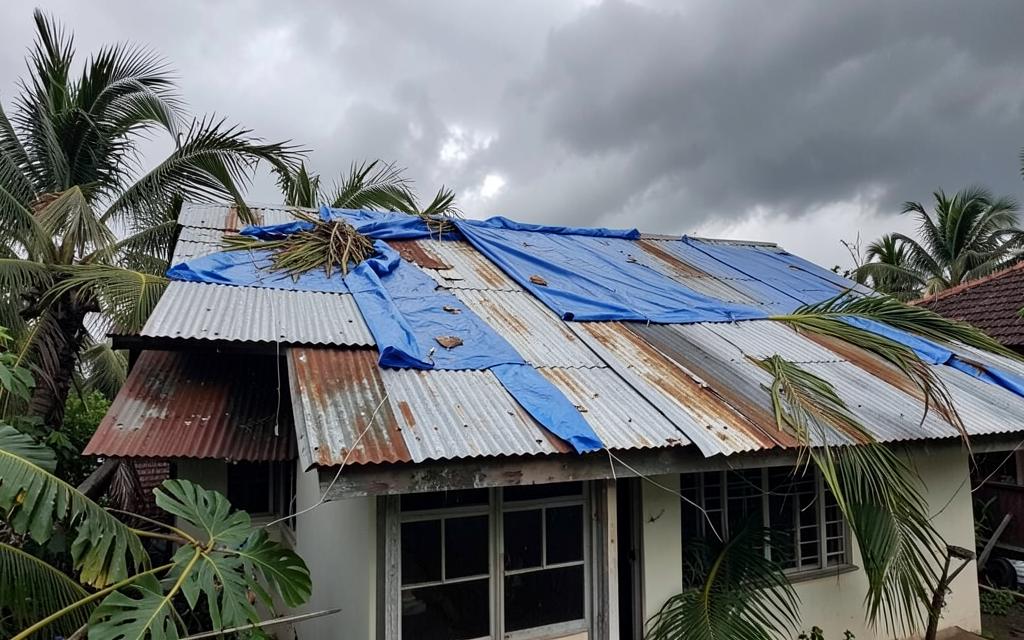
Cyclone preparation for a roof is unglamorous. It is not about the surface looking good; it is about the load path that resists uplift — fastener, batten, tie-down — and about removing the things that become projectiles or block drainage.
Fixings first
Wind uplift is carried by the fastener. Corroded, loose or under-specified fixings reduce the roof's capacity even when the sheeting is intact, and renewing them is one of the cheapest meaningful things you can do before a season.
Flashing upturns and edges
Cyclonic damage typically starts at the perimeter and works inward. Barge and ridge flashings, sheet ends and edge fixings deserve specific attention because that is where the wind gets its first purchase.
Clear the drainage
Cyclones bring extraordinary rainfall as well as wind. Blocked gutters and valleys during that rainfall will put water inside the house even if the roof structure holds perfectly.
Remove what can become a missile
- Overhanging and dead branches near the roof line.
- Loose sheeting, offcuts and unsecured items in the yard.
- Unsecured aerials, shade sails and lightweight structures.
- Anything stored on a flat roof or awning.
Have your documentation ready
Photograph your roof, gutters and interiors before the season. Dated pre-event images make it far easier to demonstrate that damage was sudden rather than pre-existing if you need to claim afterwards.
If you want a professional pre-season check, the inspection is free and comes with photographs and a written fixed-price quote for anything that needs doing.
What are tie-downs, and why do they matter?
In a cyclone, wind passing over a roof creates strong uplift, trying to pull the roof away from the house. Tie-downs are the connections that carry that force from the sheeting through the battens and rafters to the walls and footings. A strong sheet is only as good as the chain of connections holding it down. On older homes, those connections may be fewer or weaker than today's standards, and corrosion can reduce them further.
Cairns is in a cyclonic wind region, and homes built or re-roofed more recently are generally designed for it. Older homes may not have been. A roof replacement is the best time to upgrade tie-downs, because the frame is exposed. Ask your roofer what can be checked or upgraded on your particular house.
Do not forget sheds, carports and patios
Attached patios and carports can act like a sail in strong wind, and if they fail, they can damage the main roof as they go. Check the fixings where these structures join the house, and make sure sheds are anchored properly. Loose sheets from a neighbouring shed are a common source of impact damage, so a friendly word with a neighbour can be worthwhile.
What to do when a cyclone is forecast
- Follow Bureau of Meteorology warnings and advice from local disaster authorities.
- Clear the yard of anything that could fly, including bins and outdoor furniture.
- Check that gutters and downpipes are clear, if you can do it safely from the ground.
- Take dated photos of your roof and house for your insurance records.
- Stay off the roof once the wind picks up, as no job is worth the risk.
After the cyclone
Wait until authorities say it is safe to go outside. Keep away from fallen power lines and damaged structures. Photograph the damage from the ground, and contact your insurer as soon as you can. For urgent make-safe work, tell the roofer if water is entering the house, as jobs are usually triaged by risk. Be wary of door-knockers who ask for large payments upfront after a storm. Get a written quote and check who you are dealing with.
A simple yearly routine
Cyclone preparation works best as a regular habit. Book a roof check in the dry season, fix what it finds, clear gutters in October, and trim trees before November. It is far cheaper to replace a few screws in August than to repair a ceiling in February. Keep your photos and invoices together each year, so you can show the roof was maintained if you ever need to make a claim.